
The purpose of the cavern test is to test the mechanical integrity of the underground storage cavern in accordance with the guidelines set forth by the State and Local regulations. The mechanical integrity test is accomplished by injecting nitrogen into the well casing to below the cemented casing seat, at a test pressure predetermined by the customer, and recording the brine pressure, nitrogen pressure, and interface level throughout a given test period. The customer provides to Sonic Surveys, Inc. the physical description of the well, the maximum operating pressure at the wellhead and casing seat, and the desired test pressure gradient. The customer prepares wellhead to allow nitrogen injection, simultaneous well logging, and attachment of pressure measuring gauges. Sonic Surveys, Inc. attaches pressure recorders and dead weight gauges capable of displaying pressure changes of 1 P.S.I. to both brine and product sides of the wellhead. The calibrated pressure transducer’s signals will be sent to a remote data collection and storage device which will allow continuous monitoring and storage of annulus and tubing pressures. The digital, recorded pressures will be retrieved at the test completion and may be used as a basis for test results, calculations, or conclusions. The cavern is to be pressurized by pumping brine into the well tubing. An inspection of the wellhead will be performed for external corrosion, faulty valves and packing or gasket leaks. The customer will make repairs as needed. A known volume of nitrogen is injected into the well at the desired temperature and pressure.
Other Services
Other Services
Other Services

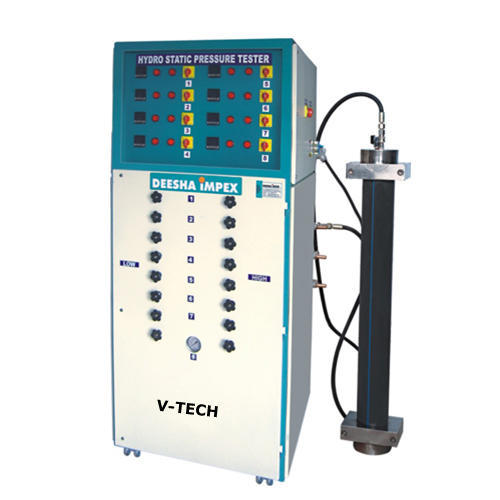
Hydrostatic Pressure Test
Inject brine into the cavern using the fresh water hanging casing until the surface brine pressure on the brine hanging casing string to customer specifications. Sonic surveys will attach pressure gauges on all strings to monitor cavern stabilization from brine pressurization. At least 48 hours prior to test start, notify the State regulating authority about the test. Once the test supervisor customers representative have determined the brine pressure decay rate has sufficiently declined, the hydrostatic pressure test will begin. The brine tubing pressure will be monitored with laboratory quality digital quartz pressure transducers with a certified accuracy of .2 psi and be verified by a dead weight gauge. After a test period to be determined be the test supervisor but no less than 24 hours, the hydrostatic pressure test will be finalized. The pressure data will be analyzed and a complete record of the test will be given to the customer.